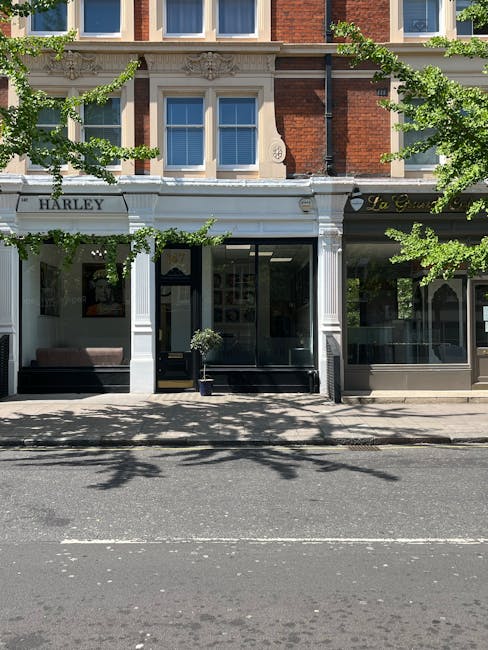




Harley Street removals access advice for Lisson Grove moves
Posted on 14/05/2026
Moving between Harley Street and Lisson Grove sounds simple on a map. In real life, though, it can be a little trickier. Narrow entrances, busy kerb space, resident permits, awkward stairwells, and the constant pressure of keeping everything moving on time can turn a straightforward relocation into a day of stop-start decisions. That is exactly why Harley Street removals access advice for Lisson Grove moves matters: it helps you plan the route, the loading point, the timing, and the right team so the move feels controlled rather than chaotic.
Whether you are moving a flat, a consulting room, a family home, or a few valuable pieces of furniture, access planning can save time, reduce damage risk, and make the whole process less stressful. To be fair, it is rarely the boxes that cause the biggest delay; it is the access details. This guide breaks down what to check, how to prepare, and what good movers do differently in a busy London setting.
For a broader look at local moving support, you may also find the company's services overview helpful, especially if you are comparing options like a man with a van in Lisson Grove, full house removals in Lisson Grove, or specialist handling such as furniture removals.
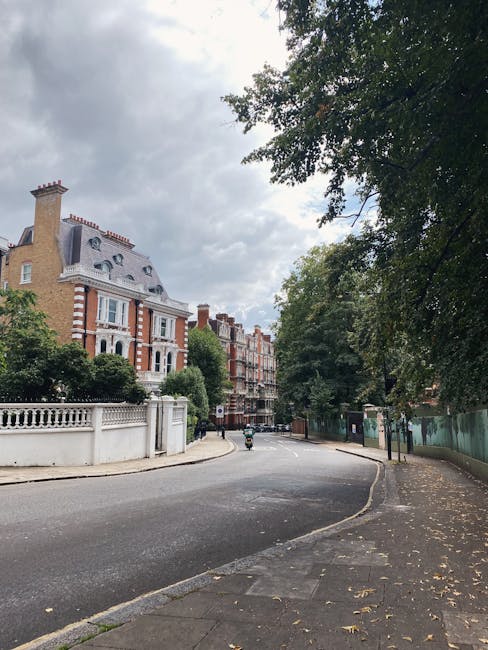
Why Harley Street removals access advice for Lisson Grove moves Matters
Harley Street and nearby central London streets can be deceptively difficult for removals. Even when the distance between properties is short, access conditions often decide how smooth the day will be. A van may fit on paper, but that does not mean it can stop safely outside the building, turn easily, or unload without blocking traffic. In areas like this, a few minutes of poor planning can cost a lot more than a few minutes.
The main issue is that access affects nearly every part of the move:
- where the vehicle can stop
- how far items need to be carried
- how many trips are needed
- whether lifts, staircases, or shared hallways can be used efficiently
- how much protection is needed for floors, walls, and door frames
- how long the job takes, which can affect parking and labour costs
In a busy part of London, a move can be delayed by delivery bays, school-run traffic, yellow lines, or simply a tight entrance that was never designed for bulk furniture. If you have ever watched a sofa wedge itself at a bad angle in a stairwell, you know the feeling. Not ideal.
Good access advice reduces those risks before the van arrives. It also helps you choose the right service in the first place, whether that is a flexible removal service in Lisson Grove or a more straightforward man and van option for smaller loads.
How Harley Street removals access advice for Lisson Grove moves Works
Access advice is really a practical planning process. It starts with understanding both properties, the route between them, and the items being moved. The aim is simple: remove guesswork before moving day. A professional team will usually want to know the property type, whether there is lift access, how many floors are involved, where the vehicle can park, and whether any large or fragile items need special handling.
In a typical Harley Street to Lisson Grove move, the planning stage may include:
- Checking the collection and delivery points - front entrance, mews gate, shared hallway, basement, or upper floor.
- Measuring the awkward bits - stair widths, lift sizes, turning points, and door heights.
- Reviewing parking and stopping options - loading bay, permit area, or a temporary stopping arrangement if available.
- Listing the difficult items - pianos, wardrobes, beds, large mirrors, white goods, or office furniture.
- Deciding the loading order - heavy and bulky items first, then mixed boxes, then fragile items.
- Creating a time window - enough room for access delays, key collection, and traffic around central London.
This is where local knowledge pays off. A mover who regularly works around NW1, W1, and nearby streets will usually understand the rhythms of the area a bit better: when roads are calmer, where parking is easiest, and which buildings need extra care. For smaller, quicker relocations, a removal van in Lisson Grove may be enough; for more complex jobs, you may need a full crew and careful scheduling.
Access advice also works best when it is specific, not vague. Saying "there are stairs" is not enough. Saying "there are two tight turns, a narrow landing, and no lift" is much more useful. That small difference can change the vehicle size, the number of movers, and the packing method.
Key Benefits and Practical Advantages
Strong access planning does more than save time. It improves the overall quality of the move and gives you more control over the day.
1. Fewer delays and less waiting around
If the parking plan is clear and the unloading path is known, the team can get straight to work. That means less time spent circling the block or trying to solve problems at the kerb.
2. Lower damage risk
When movers know about tight corners, low ceilings, and narrow hallways in advance, they can bring the right protection and handling strategy. That matters for both your items and the building itself.
3. Better cost control
Access issues can extend labour time. That does not always mean a move becomes expensive, but it does mean uncertainty increases. A clear plan helps reduce surprises, which is something most people appreciate once the kettle has been packed away.
4. Less physical strain
Heavy lifting through poor access is where injuries and near-misses happen. If the route is mapped properly, the team can use better lifting technique, dollies, straps, and two-person handling where needed. The heavy lifting advice guide is worth reading if you are trying to understand why this matters so much.
5. A calmer move overall
Truth be told, the emotional value is huge. When people know the access has been checked, they relax a bit. The day feels organised rather than improvised. And on moving day, that is no small thing.
Who This Is For and When It Makes Sense
This advice is useful for almost anyone moving in or around Harley Street and Lisson Grove, but it is especially important if your property has any of the following:
- shared entrances or concierge-controlled access
- basements, split levels, or top-floor flats
- no lift or a small lift
- restricted parking or permit requirements
- large furniture that will not turn easily
- valuable items that need careful handling
- tight timing because of work, building rules, or key handover arrangements
It is also a smart move if you are relocating a small office, a consultation room, or a professional workspace where you cannot afford a messy handover. In those cases, planning access can protect both equipment and reputation. If that sounds familiar, a dedicated office removals service in Lisson Grove may be more suitable than a purely domestic solution.
Students and renters often think access planning is only for bigger moves. Not really. A one-bedroom flat with two flights of stairs and no parking nearby can be trickier than a larger house with easier street access. Small move, big hassle. Happens all the time.
If your move involves a mix of furniture, packed boxes, and storage runs, the local pages for flat removals and storage in Lisson Grove can help you think through the best setup.
Step-by-Step Guidance
Here is a practical way to approach access planning without overcomplicating it.
Step 1: Walk the route from entrance to vehicle
Do this at both properties if possible. Stand at the front door, then trace the route all the way to the street. Look for narrow hallways, low lamps, door furniture, awkward steps, and surfaces that might scratch easily. Sometimes the trouble is obvious. Sometimes it is that one oddly placed corner where a wardrobe suddenly becomes a geometry problem.
Step 2: Measure the items that matter
Measure the largest pieces first. Beds, sofas, wardrobes, fridges, desks, and pianos should be checked against doorways, lifts, and stair turns. If you are moving a bed, the bed and mattress relocation guide is a useful companion read.
Step 3: Confirm parking and loading options
Find out where the vehicle can stop legally and safely. If the road is narrow or busy, the loading plan may need a shorter visit window or a smaller vehicle. For many local moves, a well-sized man with a van in Lisson Grove can be more practical than a larger truck that struggles to park.
Step 4: Identify access restrictions early
Ask about building rules, lift bookings, concierge requirements, or time restrictions. Some buildings need notice for moving vans. Others require floor protection or a pre-booked lift slot. This is the sort of detail that feels minor until it stops the move dead.
Step 5: Plan protection for tight spaces
Use blankets, corner guards, mattress covers, and floor runners where needed. If you are packing yourself, the packing smart guide is a good place to sharpen the basics.
Step 6: Sort by priority, not by room alone
When access is difficult, the loading order matters. Heavy, stable items usually go in first. Fragile items should be positioned so they are not crushed or blocked. This is especially important when only a limited number of trips is practical.
Step 7: Build in breathing space
Leave a margin for delays. In central London, five minutes can disappear quickly. A delivery van ahead of you, a blocked bay, or a lift that is suddenly unavailable can all shift the day. That extra buffer is worth it.
Expert Tips for Better Results
There are a few small things that make a surprisingly big difference.
- Take photos of access points before the move. A quick picture of the entrance, stairwell, or parking bay is often more useful than a long description.
- Use one person to coordinate if the move is complicated. Too many people giving instructions can slow everything down. A single point of contact keeps things tidy.
- Pack a "first off" bag with keys, chargers, documents, medication, tea bags, and a phone cable. The first hour after arrival always feels busy, and this little bag saves rummaging.
- Disassemble what will clearly struggle through access. A wardrobe that is obviously too tall is not going to become friendly at the last minute.
- Check the weather. Rain, damp pavements, and slippery steps can change handling decisions. Not dramatic, just practical.
- Use specialist help for awkward items. Pianos, large mirrors, and heavy furniture are worth professional handling. The local piano removals service and the article on why DIY piano moving might not be the best route both explain why.
If you are moving a fragile sofa into storage or through a tight entrance, a little extra planning pays off. The guide on protecting sofas during storage covers practical care that also helps during difficult access routes.
Expert summary: the best access plan is usually the one that feels almost boring on moving day. No surprises, no scrambling, no last-minute measuring with a worried face. Just a clear path and the right kit.

Common Mistakes to Avoid
Most access problems are preventable. The same mistakes come up again and again, and they are usually simple ones.
Assuming the van can park wherever it needs to
That assumption causes more trouble than people expect. Parking rules, traffic, and narrow roads can all change what is possible. Never leave this to chance.
Forgetting about the final few metres
People often focus on the vehicle and forget the hallway, stairwell, or front step. Yet those are often the hardest parts.
Underestimating bulky items
A bed base or wardrobe may look manageable until it reaches the landing. Measure first, then decide whether it needs dismantling.
Not warning the mover about fragile access points
If there is a glass panel, a low arch, or a soft wood banister, say so. Damage often happens in familiar-looking places because the team is trying to move quickly.
Leaving packing until the last minute
Packing that is rushed creates awkward, loose, or overloaded boxes. That is harder to carry, harder to stack, and more likely to fail halfway down the stairs. The local decluttering guide is useful if you want fewer items to move in the first place.
Ignoring the building's moving rules
Some blocks expect advance notice or have specific booking windows. If you skip that step, you may arrive ready to work and then spend the morning waiting. Nobody wants that.
Tools, Resources and Recommendations
You do not need specialist kit for every move, but the right basics help a lot.
- Measuring tape for checking furniture, doors, lifts, and routes
- Furniture blankets and wrap for protecting edges and polished surfaces
- Corner protectors for narrow hallways and painted walls
- Sturdy boxes and tape to keep loads stable
- Dollies or trolleys for heavier items where access allows
- Work gloves and sensible footwear for grip and safety
- Phone camera for documenting access points and item condition
If you are still planning the move, the local packing and boxes service can support the less glamorous side of the job. It is not exciting, admittedly, but good packing is half the battle.
For moves that include short-term holding or staggered delivery, it can also help to look at storage options in Lisson Grove. That gives you breathing room when access is tight or completion dates are not lining up neatly.
If you want reassurance before booking, the company's insurance and safety information is a sensible page to review, along with the health and safety policy.
Law, Compliance, Standards, or Best Practice
For most household moves, access planning is not about complicated legal theory; it is about common-sense compliance and respectful working practices. That said, there are a few UK norms worth keeping in mind.
First, parking and loading should be handled in line with local restrictions. If a bay, permit, or time limit applies, it should be checked in advance rather than guessed on the day. In London, that is especially important because enforcement can be quick, and the margin for error is small.
Second, movers should work with a clear focus on safety. That means using sensible lifting methods, communicating in shared spaces, and protecting both the customer's property and the building fabric. Good practice usually includes:
- checking weight before lifting
- using two-person lifts for awkward items
- avoiding blocked fire routes
- keeping pathways clear
- protecting surfaces where there is a risk of scuffing
Third, if your move involves shared premises, concierge teams, landlords, or building managers, advance communication is best practice. It avoids confusion, protects the building, and helps everyone stay on the same page. A little courtesy goes a long way here. It really does.
If you are comparing companies, check that their terms, payment process, and complaints route are all transparent. The pages on terms and conditions, payment and security, and complaints procedure help set proper expectations. And if accessibility matters to you or your building, the accessibility statement may also be worth a look.
Options, Methods, or Comparison Table
Different access situations call for different moving methods. There is no single perfect setup, only the one that fits the building, the volume, and the timing.
| Approach | Best for | Pros | Possible downside |
|---|---|---|---|
| Man and van | Smaller moves, flexible access, quick local jobs | Agile, often easier for tight streets, usually cost-effective | May not suit larger or highly complex loads |
| Full removals team | Houses, heavier furniture, more items, complex routes | More hands, better for stairs and protection, smoother coordination | Can be more than you need for a very small move |
| Specialist item handling | Pianos, antiques, oversized furniture, fragile pieces | Better protection and expertise | Needs planning and often more time |
| Split move with storage | Delays, staggered completion, limited access on either end | Flexible, reduces pressure on the main moving day | Requires extra organisation |
For many Lisson Grove moves, the right answer is a blend of methods rather than one rigid solution. A small move with tricky access may need a compact vehicle and careful handling. A larger flat move may need more labour but only a short carry from the street. That balance matters more than people think.
Case Study or Real-World Example
Here is a realistic example based on the kind of move local teams deal with all the time.
A couple moving from a flat near Harley Street to a second-floor property in Lisson Grove had a few bulky items: a sofa, a double bed, a heavy chest of drawers, boxed kitchenware, and a large mirror. On paper, it looked like a half-day job. The issue was access. The collection point had limited waiting space, the delivery building had a narrow stairwell, and the mirror would not fit upright through the tight turn at the top of the stairs.
Instead of discovering all that on moving day, the mover asked for measurements and photos in advance. The sofa was wrapped and moved first, the bed was disassembled before arrival, and the mirror was loaded separately with extra padding. The team used a smaller vehicle so the loading point was easier to manage, and the carry route was pre-cleared of loose items and door stops. Nothing dramatic happened. Which, in removals, is usually the goal.
The result was not flashy, but it worked: no damage, no last-minute panic, and no awkward debate over whether the mirror should "just fit if we angle it a bit." That kind of confidence is exactly what good access advice gives you.
Practical Checklist
Use this checklist in the days before your move. It is simple, but it catches the usual headaches.
- Measure large furniture and note anything awkward
- Confirm stairwells, lifts, and turning points
- Take photos of entrances, hallways, and parking space options
- Check whether building management needs notice
- Confirm permit, loading, or stopping restrictions
- Pack a first-day essentials bag
- Label fragile boxes clearly
- Protect floors, corners, and polished surfaces
- Disassemble furniture that is likely to snag
- Keep keys, documents, and contact numbers easy to reach
- Review insurance, terms, and any special handling needs
- Build in a little time buffer because London traffic never quite behaves
Quick takeaway: if you do nothing else, measure the awkward items, photograph the access points, and confirm parking before the van is booked. That alone removes a lot of uncertainty.
Conclusion
Harley Street removals access advice for Lisson Grove moves is really about doing the sensible things before the moving day pressure kicks in. Once access is clear, the rest of the move becomes much easier to manage. You know where the vehicle will stop, how the items will travel, and what needs special handling. That clarity is worth a great deal, especially in central London where small delays can snowball quickly.
Whether you are planning a flat move, a full house relocation, or a delicate item transfer, the best results usually come from a calm, measured approach. Ask the right questions early, choose the right vehicle and team, and do not ignore the awkward details. They are rarely small in practice.
If you want to explore the wider local moving options, start with the main removals page or read a few practical guides such as the smooth house move guide and moving day preparation tips. The right plan makes a difference you can actually feel on the day.
Get a free quote today and see how much you can save.
And if the plan is already in motion, good. Keep it simple, keep it clear, and give yourself one less thing to worry about. That is how a move starts to feel manageable again.