Avoid access problems on Lisson Grove Road man with a van moves
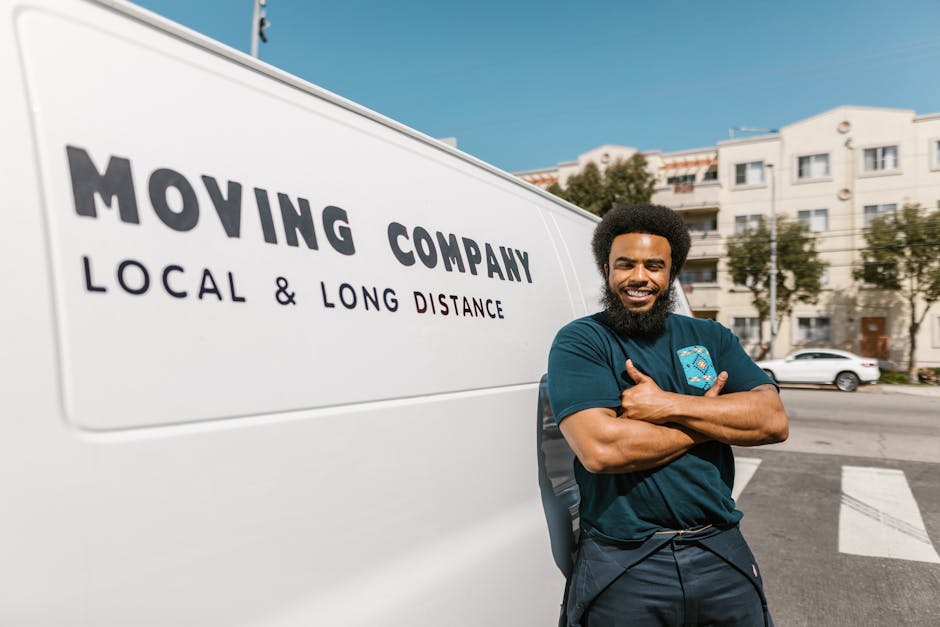
If you are planning a move on or around Lisson Grove Road, the real challenge is often not the lifting. It is the access. Tight corners, parked cars, limited stopping space, awkward front steps, busy traffic, and that awkward moment when a van cannot quite get where it needs to go can turn a simple move into a slow, expensive headache. This guide on how to avoid access problems on Lisson Grove Road man with a van moves breaks the process down clearly so you can plan properly, protect your belongings, and keep the day moving. To be fair, a few small decisions made before moving day can save a lot of stress later.
Whether you are moving a flat, clearing a house, or shifting office items, the same principle applies: understand the street, the van size, the loading position, and the timings before the first box is touched. That is where a well-planned move feels calm instead of chaotic.
Why Avoid access problems on Lisson Grove Road man with a van moves Matters
Access planning matters because moving vans need space to load safely and efficiently. On a road like Lisson Grove Road, that sounds simple until you meet the reality of London parking, narrow carriageways, delivery congestion, and buildings that were never designed for modern removal vehicles. If the van cannot stop close enough, every item has to be carried further. That adds time, raises the chance of damage, and makes the day harder for everyone involved.
Think about a wardrobe being carried from a third-floor flat to a van parked two doors away, across uneven pavement, with traffic passing every minute. It is not impossible, of course. But it is slower, more tiring, and more likely to cause avoidable problems. Access issues also matter for neighbours and building managers. A blocked entrance, noisy waiting time, or an awkward handover can create complaints before the move is even finished.
Good access planning is also about protecting value. If you are paying for a man and van service, you want the clock used for moving, not for circling the street looking for a place to stop. That is the practical side. The trust side is just as important: a move that looks organised feels more professional, and that usually leads to fewer mistakes overall. In our experience, the difference is often visible in the first ten minutes.
Expert summary: access planning is not a minor detail. It is one of the main things that decides whether a move on Lisson Grove Road feels smooth, rushed, or messy.
How Avoid access problems on Lisson Grove Road man with a van moves Works
The idea is straightforward: match the move to the street conditions before the van arrives. A careful plan looks at where the van can pause, how far items must be carried, what size vehicle is appropriate, and whether there are any building restrictions. Once those pieces are known, the move can be structured around them rather than improvised on the day.
A typical access-aware move usually follows a few stages:
- Pre-move review: you assess the property, the street, the entrance, stairs, lifts, and any likely obstruction points.
- Vehicle selection: you choose a van size that can actually work on the road without causing unnecessary trouble.
- Time planning: you pick a loading window that reduces conflict with local traffic, school runs, deliveries, or building peak times.
- Loading strategy: you decide whether items should be carried in one flow or staged inside the property first.
- On-the-day coordination: the driver, movers, and customer keep communication open so adjustments can be made quickly.
That may sound like a lot for one move, but it is mostly common sense. If there is a large sofa, a tight hallway, or no obvious stopping space outside, then planning becomes essential. A reliable man and van service should be able to factor this in early, not after the van has already arrived.
Some moves need a larger vehicle or a more structured team, especially if there are heavy items, several flights of stairs, or a full household to clear. In those cases, comparing removal services against a lighter van-only move can help you choose the least stressful option rather than the cheapest headline price. Truth be told, cheap is rarely cheap if the access turns into an extra hour of carrying.
Key Benefits and Practical Advantages
Access planning gives you more than convenience. It has real practical value on the day and, often, in the days before it too.
- Less time wasted: the van can get as close as possible to the door, so loading is quicker.
- Lower damage risk: fewer long carries mean fewer chances of scuffs, bumps, and dropped items.
- Better cost control: if the job runs efficiently, you are less likely to pay for delays.
- Less stress: everyone knows where they are going and what to expect.
- Cleaner handover: neighbours, landlords, or building staff are less likely to be frustrated.
- Safer lifting: shorter carrying distances can reduce strain on the crew and on you if you are helping.
There is another benefit people often miss: access planning helps you identify whether the original plan is wrong. Maybe the van size is too big. Maybe the loading bay is not practical. Maybe the key collection time clashes with parking pressure. Finding that out before moving morning is a gift, even if it is a slightly annoying one.
For small home moves, the advantage may be mainly speed. For larger jobs, especially where there are fragile items or regular stair use, the benefit is more about control. If you are moving an office, the same logic applies. Sensitive equipment, stacked boxes, and furniture all become easier to manage when access is sorted first. You can read more about that type of job on the site's office removals and commercial moves pages if your move is business-related.
Who This Is For and When It Makes Sense
This approach is for anyone moving on a busy or awkward London street, but it is especially useful if one or more of the following sounds familiar:
- You live in a flat with limited frontage space.
- Your building has a narrow entrance, stairs, or a small lift.
- There is often heavy parking pressure outside.
- You are moving on a weekday, when streets are busiest.
- You have large furniture, delicate items, or multiple boxes.
- You need the move completed quickly to meet a handover deadline.
- You are trying to keep neighbours, porters, or building managers onside.
It also makes sense if you are the kind of person who prefers a calm plan to last-minute improvisation. Some people are happy to wing it. Let's face it, that can work for a tiny move with one suitcase and a lamp. It is a very different story when you have a mattress, a chest of drawers, and a dining table that barely fits through the hallway.
Families, renters, landlords, students, and small businesses all benefit from better access planning. It is particularly useful for house moves where you are also juggling keys, check-out times, or move-in windows. If that sounds like you, the broader home moves and house removals pages can help frame the bigger picture of what a full move usually involves.
Step-by-Step Guidance
Here is a practical way to reduce access problems before the van arrives.
- Inspect the access route. Stand outside your property and look at the full path from door to vehicle. Check for bollards, narrow gaps, low branches, permanent street furniture, or awkward kerbs.
- Measure your biggest items. A sofa, wardrobe, fridge, or bed base can be more difficult than it looks. If something needs turning in a hallway, measure the turning space too.
- Confirm parking and stopping options. Even if you are not arranging formal parking control, you still need a realistic place for the van to wait briefly while items are loaded.
- Speak to the mover early. Describe stairs, lift access, controlled entry, basement storage, or any access codes that matter. Little details count here.
- Plan the order of loading. Put the heaviest, least flexible items near the door first if they are going straight out. That avoids reshuffling.
- Use clear labels. Mark boxes by room and priority. It is a simple thing, but it saves a lot of back-and-forth.
- Keep access clear inside. Hallways, landings, and doorways should be free of clutter before the team starts carrying.
- Have a backup in mind. If the first stopping point is blocked, know where the second-best option is. A good mover will usually think this way anyway.
One practical detail that people sometimes forget: keys and entry timing. If the van arrives before you can get in, the whole schedule can slip. That tiny mismatch can create a surprising delay. Honestly, it happens more often than you would think.
If you want help with packing as well as access planning, the packing and unpacking services page is worth a look. Good packing makes loading faster, and faster loading matters even more when street access is tight.
Expert Tips for Better Results
Here are the things that tend to make the biggest difference in real life, not just in theory.
- Book for the right time of day. Mid-morning is often calmer than the school-run rush or late-afternoon traffic, though local conditions can vary.
- Use the smallest workable van. Bigger is not always better if the road is awkward. A smaller vehicle that can stop closer may be faster overall.
- Keep one person on "street watch." Someone should be checking for blocked access, pedestrians, delivery vans, or sudden issues while loading happens.
- Protect the route indoors. Floor coverings, door protection, and corner guards can help when there are tight stairways or sharp turns.
- Have a communication habit. A quick update before arrival, at the door, and before departure avoids confusion.
- Don't overpack the first load. If the van is awkwardly parked, smaller loads may actually be safer and quicker than trying to force everything through at once.
There is also a judgment call around access versus distance. Sometimes a van that is slightly smaller but can park closer is the smarter choice. Other times, a larger vehicle with a little more carrying distance still wins because the overall job is big enough to justify it. That sort of decision is where experience really helps.
If you are weighing options, a page like removals near me can be a helpful starting point for understanding the type of support you actually need, especially if you are comparing local availability with your moving date.
Common Mistakes to Avoid
A lot of access trouble comes from small oversights rather than major disasters. The following mistakes show up again and again.
- Assuming the van will "just fit". That is one of the quickest ways to create delays.
- Ignoring building rules. Some properties have quiet hours, lift restrictions, or entry procedures that affect timing.
- Leaving box labels until the last minute. It sounds harmless. It is not.
- Forgetting the return journey. It is easy to focus on loading out and forget that the van needs a workable plan for unloading too.
- Blocking shared spaces. Corridors, entrances, and stair landings should stay usable where possible.
- Choosing a service without checking insurance or safety approach. If items are valuable or access is awkward, trust and safeguards matter.
Another quiet mistake is underestimating how much longer a move takes when items have to be carried further than planned. It only feels like a few extra metres, but when you repeat that route twenty times, the day stretches out fast. A bit like trying to carry shopping bags in the rain and realising you should have done it in one trip. We have all been there.
That is why it can be sensible to review the mover's approach to safety and risk before you book. The site's insurance and safety page and health and safety policy are useful trust signals if you want to see how these issues are handled.
Tools, Resources and Recommendations
You do not need a complicated toolkit to prevent access issues, but a few basic items and documents help a lot.
- Measuring tape: useful for furniture, doorways, stair turns, and lift gaps.
- Mobile phone: vital for arrival updates and quick access changes.
- Printed move plan: a simple sheet with addresses, contact names, floor numbers, and item priorities.
- Labels and marker pens: keep loading organised and reduce confusion at the new property.
- Floor protection materials: especially useful in shared buildings or when moving in wet weather.
- Building instructions: entry codes, porter contacts, lift booking notes, and delivery instructions if relevant.
For customers who want to understand business terms and expectations more clearly, the site's pricing and quotes page is a practical reference point. It helps set expectations around what may affect the cost, including time, vehicle choice, and move complexity. And if you are comparing different levels of help, removal company and movers can help you think about whether you need a light-touch move or something more fully managed.
For sustainability-minded moves, a little planning also reduces waste. Fewer damaged boxes, fewer wasted journeys, and smarter packing all help. The recycling and sustainability page is relevant if you are sorting unwanted items before or after the move.
Law, Compliance, Standards, or Best Practice
When a move involves London streets, shared access, or goods in transit, best practice matters. You do not need to become a legal expert, but you should expect the mover to work safely, communicate clearly, and handle property with care. In the UK, moving work is typically expected to align with common health and safety duties, sensible manual handling practice, appropriate insurance, and fair treatment of property owners and neighbours.
That means a few practical standards should be in place:
- Safe lifting and carrying: heavy items should be handled with care, not rushed for the sake of speed.
- Insurance awareness: there should be clear understanding of what is covered and how claims are handled if something goes wrong.
- Respect for access routes: doorways, lifts, communal areas, and pavements should be treated carefully.
- Clear terms: it should be obvious what happens if access is harder than expected or if timing changes.
If you want more detail on the company's approach to expectations, the terms and conditions, payment and security, and privacy policy pages provide useful context. They are not exciting reading, granted, but they are the sort of pages that tell you whether the business is careful in the background as well as on moving day.
For house moves and mixed domestic jobs, you may also find the pages on house movers, house removalists, and man with van useful if you are comparing the tone and scope of support you need.
Options, Methods, or Comparison Table
There is no single "best" way to handle access on Lisson Grove Road. The right method depends on what you are moving, how much space you have, and how much flexibility you want.
| Method | Best for | Strengths | Limitations |
|---|---|---|---|
| Small van with close kerb access | Light domestic moves, a few rooms, small flats | Fast loading, easier street handling, often simpler to park | Limited capacity if the job grows unexpectedly |
| Larger van for one-trip efficiency | Moderate house moves, furniture-heavy jobs | Fewer trips, better for bigger loads | May be harder to position on a tight road |
| Staged loading with a carry route | Buildings with awkward access or longer walk distances | Flexible, useful where direct stopping is difficult | Slower and more labour-intensive |
| Fully managed removal support | Busy households, offices, or complex moves | More coordination, less personal stress, better for tricky access | Usually more expensive than a basic van-only move |
As a rule of thumb, if your access is straightforward and the load is small, a lighter man and van setup may be enough. If the route is complicated, or if the consequences of delay are annoying or costly, a more structured moving option may be worth it. No drama, just judgement.
For larger or more formal jobs, removals and removals van pages are useful if you are comparing general moving formats rather than only a single van visit.
Case Study or Real-World Example
Here is a realistic example. A customer moving out of a second-floor flat on a busy stretch near Lisson Grove Road had a sofa, a bed frame, boxes of books, and a couple of fragile mirrors. The first instinct was to book a larger van, assuming bigger capacity would make the job simpler. But the road outside had limited stopping room and frequent passing traffic, which would have made a bulky vehicle awkward.
Instead, the move was planned around a smaller van, an early arrival window, and a loading order that put the bulkiest items nearest the exit. The movers checked the stairwell first, protected the corners, and kept the hallway clear. The van could stop closer to the building than expected, which cut carrying time. Nothing magical. Just planning.
The interesting part was how much smoother the day felt once the access decision had been made properly. The customer was not rushing. The movers were not circling the block. The mirrors were wrapped and loaded last, which made sense because they were the most delicate items. The job finished in a tidy rhythm, not a scramble.
Small access decisions can change the whole shape of a move. That is especially true on London streets where parking, pavement space, and timing all interact in odd little ways.
For customers who want reassurance that a service is experienced and properly run, the about us page can also be helpful for understanding how the company presents its approach and values. It is a simple step, but it often tells you whether you are dealing with people who think ahead.
Practical Checklist
Use this checklist before move day. It is simple, but it catches many of the issues that cause access trouble.
- Confirm the full address and any flat or unit number.
- Check whether the entrance, stairs, or lift will be open and usable.
- Measure your biggest furniture items.
- Identify where the van can safely stop or wait.
- Make sure access codes, keys, or porter instructions are ready.
- Clear hallways, landings, and the front door area.
- Label boxes by room and priority.
- Tell the mover about fragile, bulky, or especially awkward items.
- Check whether timing might clash with traffic or building restrictions.
- Have a backup plan if the primary loading spot is blocked.
Quick takeaway: if you can answer where the van will stop, how items will reach it, and who will open the door at each stage, you are already ahead of most moving-day headaches.
If you are ready to move and want the process handled cleanly, the next step is simple: review the service details that fit your move and then speak directly with the team through the site's contact route.
Get a free quote today and see how much you can save.
Conclusion
Access problems on Lisson Grove Road are rarely dramatic on their own. They build up from little things: a parked car in the wrong place, a door that opens awkwardly, a van that is a touch too large, or a move scheduled at the worst possible time. But once you understand those pressure points, the whole job becomes easier to manage.
The best moves are usually the ones where someone took ten minutes to think ahead. That is the difference between a day that feels rushed and a day that feels controlled. If you are planning a move here, focus on access first, load second, and cost third. That order tends to save time and, more importantly, nerves.
And if there is one final thought to leave with, it is this: a calm move is often just a well-planned one wearing a sensible face.
Frequently Asked Questions
What does avoid access problems on Lisson Grove Road man with a van moves actually mean?
It means planning your move so the van can reach the property, load safely, and leave without delay. On a busy London road, that usually involves checking parking, loading space, building access, and the right vehicle size before move day.
Why is access such a big issue for man and van moves?
Because van moves depend on quick, close loading. If the van cannot stop near the entrance, everything takes longer and the risk of damage goes up. Access turns a simple move into a much bigger physical job, especially with stairs or heavy furniture.
How can I tell if my street is too tight for a larger van?
Look at the width of the road, where parked cars usually sit, and whether the vehicle would need to turn or reverse near your property. If the frontage is narrow or traffic is constant, a smaller van may be more practical.
Should I book a small van or a larger removal van?
That depends on the amount of furniture, the distance between the property and the road, and how much access you have. A larger van is only useful if it can actually get close enough to load efficiently.
What should I tell the mover before the job?
Tell them about stairs, lifts, entry codes, parking restrictions, bulky items, fragile pieces, and anything that might affect timing. The more accurate the description, the fewer surprises later.
Do I need to reserve parking for a man with a van move?
Not always, but you do need a realistic stopping plan. If parking is tight or unpredictable, the mover may need a fallback position so the job does not stall outside.
How early should I plan access for a move on Lisson Grove Road?
As early as possible. Even a short street check a few days before the move can reveal problems that are easy to fix in advance but annoying to discover on the morning itself.
What if my furniture will not fit through the hallway?
Measure the item and the turning points first. Sometimes the answer is to remove legs, doors, or cushions; sometimes the item needs a different route. If the fit is impossible, forcing it is a bad idea. It really is.
Can packing help with access problems?
Yes. Well-packed boxes are easier to carry, stack, and load. Efficient packing also reduces the time the van spends waiting outside, which matters when access is tight.
What are the signs of a poorly planned move?
Late arrival, unclear parking, cluttered hallways, no item labels, and constant stopping and starting are common signs. If the team is improvising every few minutes, the move probably needed a better access plan.
Is a man and van service enough for a flat move on a busy road?
Often yes, especially for smaller flats or lighter loads. But if access is awkward, the stairs are steep, or you have a lot of furniture, you may need a more structured moving service.
Where should I start if I want help with this kind of move?
Start by reviewing the service that best fits your load and access needs, then get a clear quote. If you are comparing options, the pages for man and van removals and man with a van are useful places to begin.